
NOBEL PRIZE LAUREATE
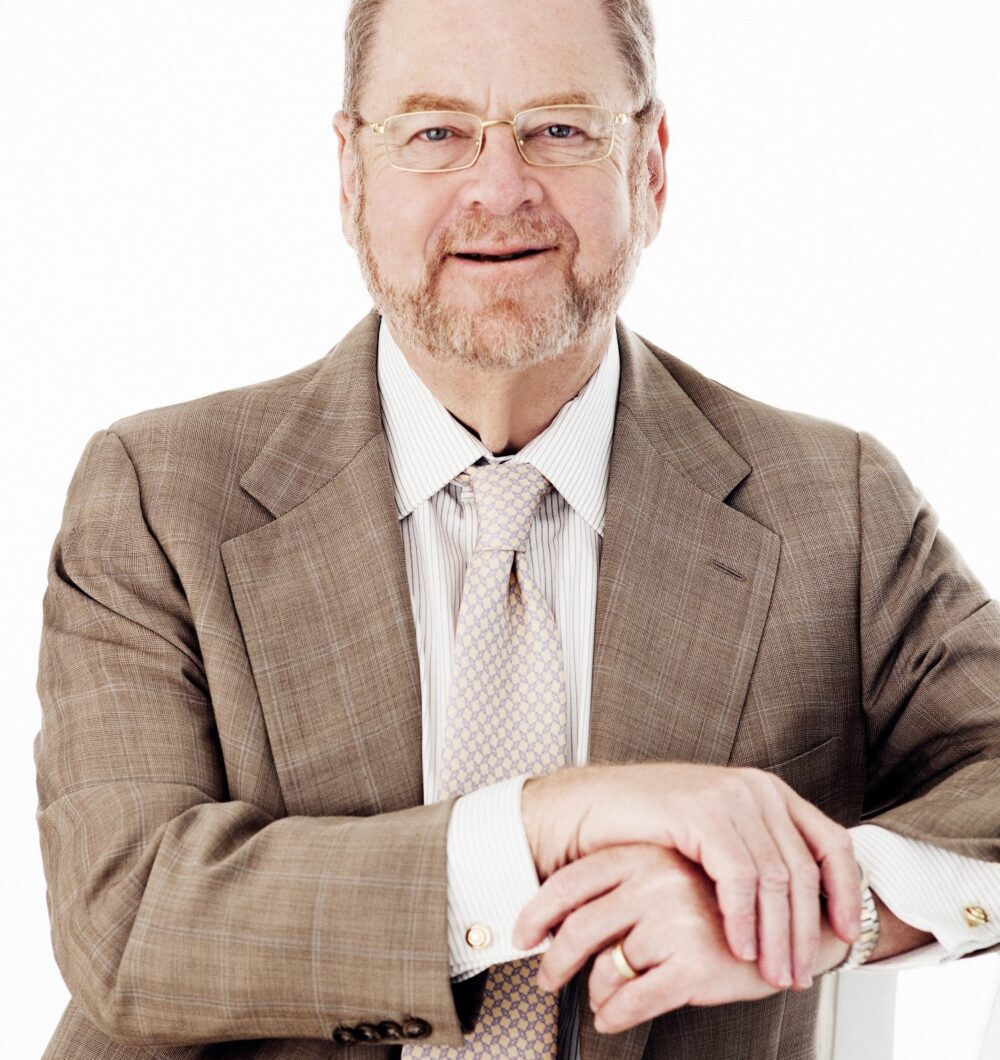
James Rothman
DESCRIPTION
ABOUT OUR SPEAKER
Professor James E. Rothman is one of the world’s leading cell biologists and a recipient of the 2013 Nobel Prize in Physiology or Medicine. He was awarded the prize for his discovery of the molecular machinery that governs vesicle transport within cells — a fundamental process that ensures proteins and other molecules are delivered to the correct cellular compartment at the right time.
His research revealed how vesicles fuse with target membranes through highly specific protein interactions, uncovering the mechanism that enables intracellular trafficking with remarkable precision. This discovery transformed modern cell biology and provided essential insights into processes underlying hormone secretion, immune responses, and neuronal communication. Defects in vesicle transport are now known to play a role in numerous diseases, including neurodegenerative disorders and metabolic conditions, making his work foundational to both basic science and clinical research.
Prof. Rothman holds the Sterling Professorship of Cell Biology at Yale University, where he also serves as Professor of Chemistry and Director of the Nanobiology Institute. His current research focuses on the biophysics of membrane fusion and its regulation in neurons and other systems.
Over his career, Rothman has received a wide range of prestigious awards, including the Albert Lasker Basic Medical Research Award, the Kavli Prize in Neuroscience, the King Faisal International Prize for Science, the Gairdner Foundation International Award, the Louisa Gross Horwitz Prize, the Lounsbery Award of the National Academy of Sciences, the EB. Wilson Medal, and of course the Nobel Prize.
He is a member of the U.S. National Academy of Sciences and the Institute of Medicine (National Academy of Medicine), a Fellow of the American Academy of Arts and Sciences, and a Foreign Member of the Royal Society (UK) — one of the highest honors in global science.